← Home · Slopes & Walls

MSE Wall Design in Houston

Together, we solve the challenges of tomorrow.

LEARN MORE →

Houston grew fast in the post-war boom, pushing development onto the flat coastal plains of Harris County. Those plains hide a tricky subsurface: thick layers of high-plasticity clay, shallow groundwater, and old river channels from the Brazos and San Jacinto. When we started designing Mechanically Stabilized Earth walls here in the mid-1980s, we quickly learned that the same reinforcement layout that worked in Dallas would fail in Houston. The clay shrinks and swells with seasonal moisture, so the backfill selection and drainage behind the wall face become critical. We have seen too many projects where a generic design led to bulging panels or water pressure buildup behind the wall. Before finalizing the MSE wall layout, we always run a geotechnical study of the site to map soil variability and groundwater depth. That first step saves everyone headaches later.
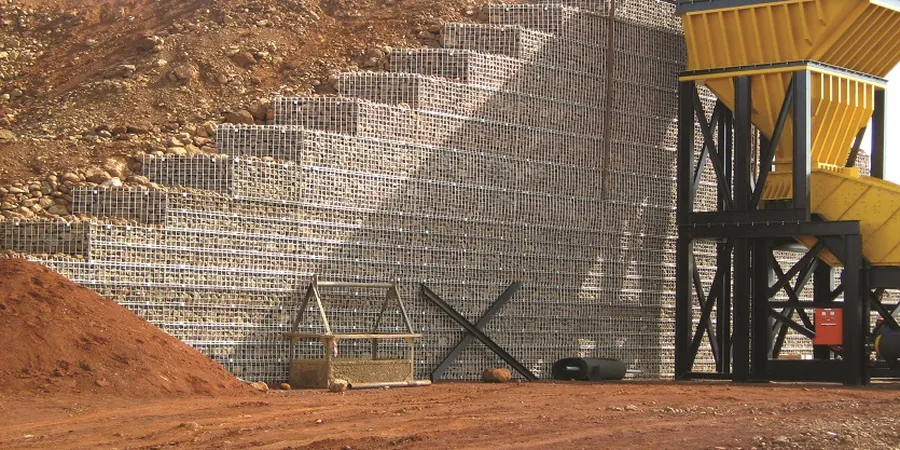
Illustrative image of MSE (Mechanically Stabilized Earth) wall design in
In Houston clay, a standard MSE wall without proper drainage is a ticking time bomb. We always design for wet conditions.

Methodology and scope

The dominant soil in Houston is the Beaumont Formation, a stiff to very stiff clay that extends 15 to 25 meters deep. That clay has a plasticity index often above 40, meaning it holds water and changes volume with moisture. For MSE wall design in Houston, we specify granular backfill with less than 5 percent fines to avoid drainage problems. The reinforcement strips or geogrids must be selected for pullout resistance in cohesive soils — a detail many national firms miss. We also require a drainage blanket behind the wall face with a perforated pipe at the base, tied to a positive outlet. In our experience, the weep holes alone are not enough; you need a full drainage system. When the water table is within 2 meters of the base, we add a subsurface drainage system to keep the reinforced fill dry. That extra step extends the wall life by decades.
Technical reference image — Houston

Local considerations

What we see most often in Houston is water-related failure. The clay swells when wet, pushing against the wall panels, and the reinforcement loses pullout capacity. Another common issue is differential settlement between panels when the foundation soil is not properly treated. We have investigated walls where the panels shifted 10 centimeters out of alignment within two years of construction. The fix is expensive. For MSE wall design in Houston, we always check the soil bearing capacity at each panel location and recommend surcharging or wick drains if the clay is too soft. Ignoring that step can lead to cracked panels and costly litigation.

Need a geotechnical assessment?

Reply within 24h.

Email: contact@geotechnicalengineering1.biz

Technical parameters

ParameterTypical value
Maximum wall height12 m (typical)
Reinforcement typeSteel strips or geogrid (PP/PET)
Backfill friction angle34 to 38 degrees
Allowable bearing pressure150 to 250 kPa
Drainage coefficient0.5 to 1.0 (depending on rainfall)
Seismic coefficient (ASCE 7)0.08 to 0.14 g

Associated technical services

01

Soil Investigation

Boreholes and test pits to classify the foundation soil and determine groundwater conditions.

02

Backfill Selection

Granular material testing to ensure drainage and friction angle meet design requirements.

03

Reinforcement Design

Selection of steel strips or geogrids based on pullout and tensile strength needs.

04

Drainage System Design

Perforated pipes, drainage blankets, and outlet design to prevent water buildup.

Applicable standards

ASCE 7-22 (seismic and lateral earth pressures), IBC 2021 (Chapter 18 for retaining walls), FHWA-NHI-10-024 (MSE wall design guidelines), ASTM D5321 (geosynthetic-soil interface shear)

Frequently asked questions

How much does MSE wall design cost in Houston?

Typical engineering fees range from US$1,420 to US$4,270 depending on the wall height, soil conditions, and number of design iterations. The cost includes field investigation, laboratory testing, and the final design report.

What soil conditions make MSE wall design challenging in Houston?

High-plasticity clay (CH) with a plasticity index above 40 is the main challenge. It shrinks and swells with moisture, which can cause differential movement. Shallow groundwater also requires careful drainage design.

What is the typical lifespan of an MSE wall in Houston?

With proper drainage and quality backfill, an MSE wall can last 50 to 75 years. The key is controlling water and using corrosion-resistant reinforcement in the aggressive Houston soil.

Location and service area

We serve projects across Houston and its metropolitan area.

View larger map

Explanatory video